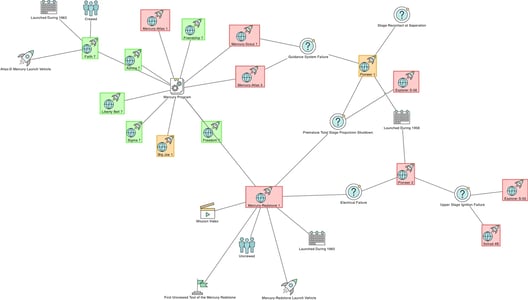
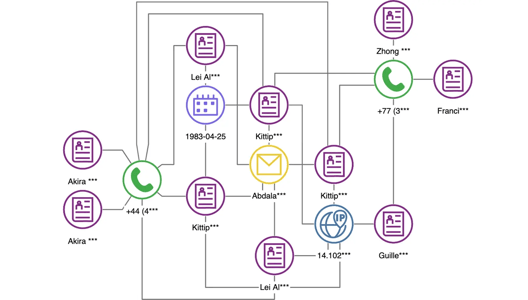
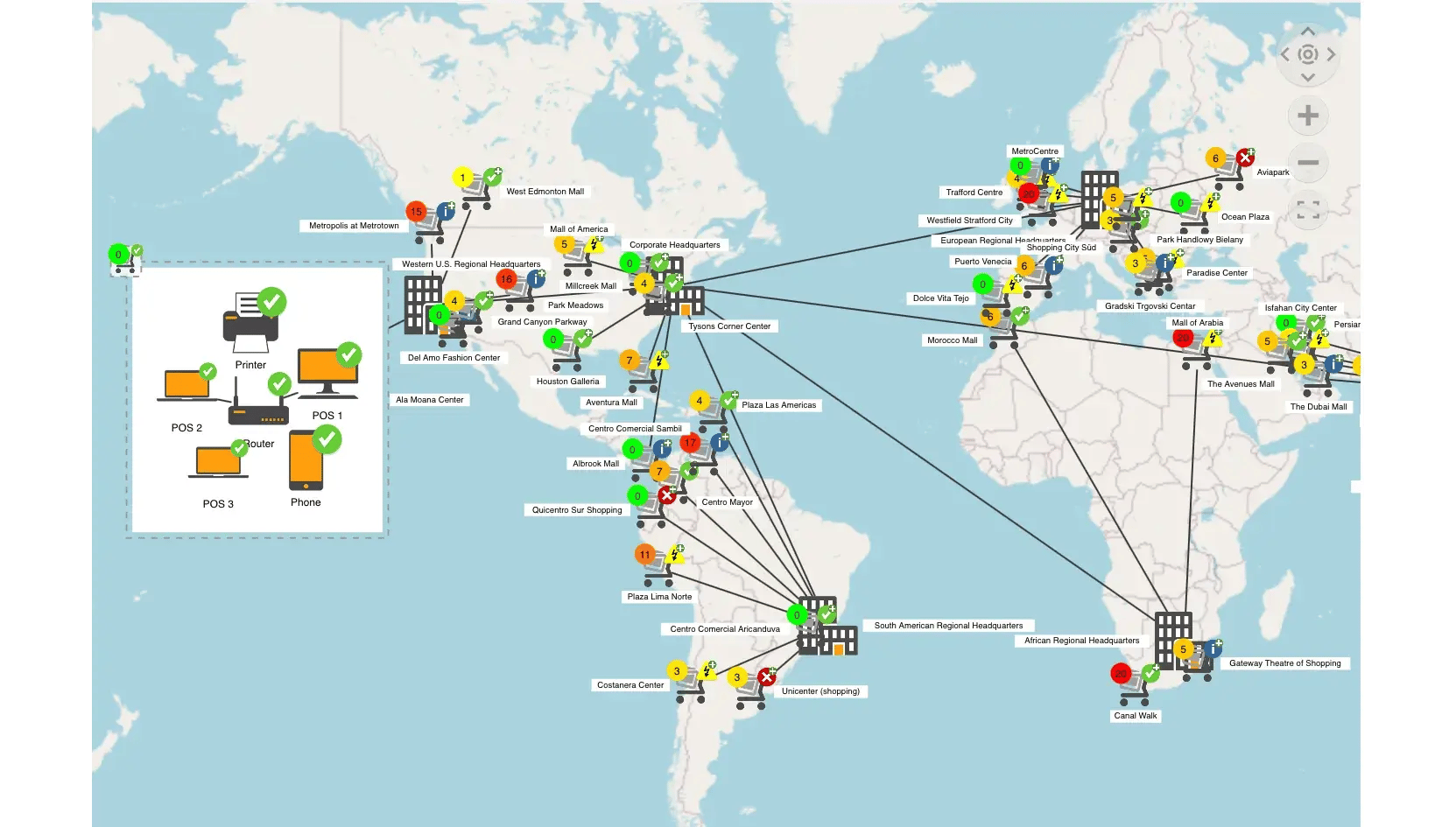
AI systems can struggle with incomplete context, inconsistent results, hallucinations, limited explainability, and disconnected enterprise data.
When an answer depends on relationships, AI needs access to those relationships. Graph technology connects data, context, dependencies, and provenance so AI systems can retrieve better information, ground and validate results, and provide greater visibility into how those results were produced.
From preparing and connecting data to grounding AI models, orchestrating agents, validating results, and helping people explore AI output, graph technology can support the entire AI workflow.
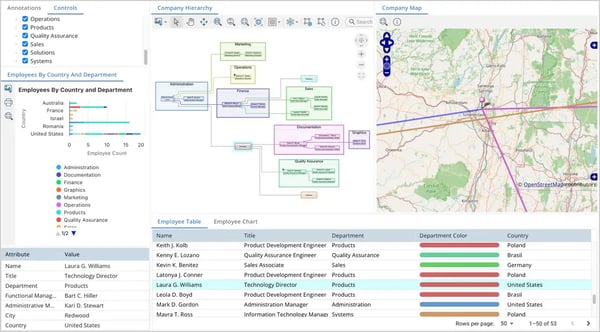
Tom Sawyer Software's graph technology turns scattered enterprise data into connected AI context.
How graph technology supports the AI workflow
Graph technology can support AI from the underlying data layer through AI processing and into the applications people use to understand and act on results.

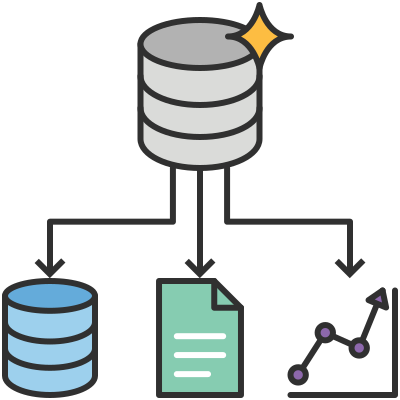
Connect and prepare enterprise data
AI results depend on the quality and context of the underlying data. Graph technology can integrate structured, semi-structured, streaming, and other enterprise data while preserving relationships across sources.
Connecting this information creates a stronger foundation for AI systems and reduces the risk that important context remains trapped in disconnected applications or data silos.
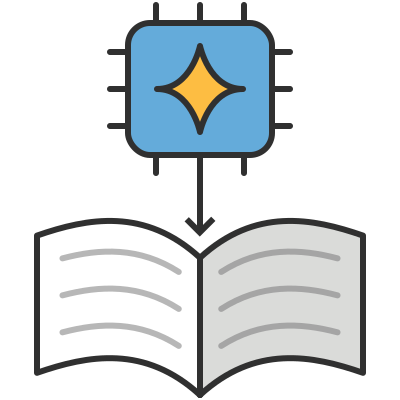
Ground AI with connected knowledge
Knowledge graphs give AI systems access to trusted information and the relationships within it. Rather than relying only on semantic similarity, AI can retrieve connected information and follow relevant paths between entities.
This connected context can improve relevance, support more complex questions, and make it easier to understand the information used to produce a result.
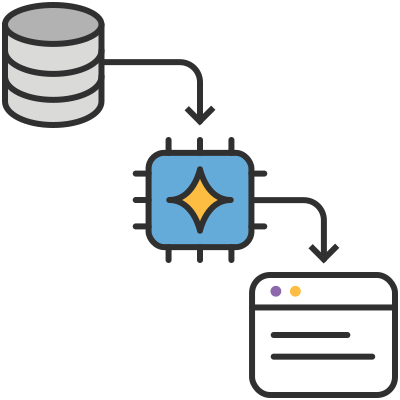
Model and manage complex AI systems
Modern AI systems increasingly include multiple models, agents, tools, data sources, and workflows. Graphs can represent these components and the dependencies between them as a connected system.
Visualizing and analyzing the AI architecture can help teams understand how information moves through a system, identify unnecessary or ineffective components, trace intermediate results, and determine where unexpected output was introduced.
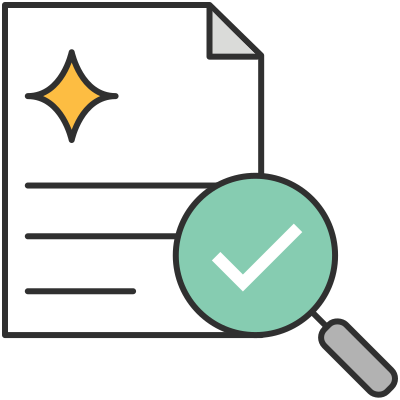
Validate and explain AI results
Graphs create visible connections between AI output and the underlying information that supports it.
Teams can trace relationships back to source data, inspect multi-hop connections, compare results against trusted knowledge, and visualize how information moved through an AI workflow. This can improve confidence in AI-assisted decisions and make results easier to investigate and explain.
Visualize and explore AI output
AI-generated text is not always the best way to understand complex results.
Graph visualization can reveal relationships, dependencies, evidence paths, patterns, anomalies, and agent execution flows that may be difficult to recognize from generated text alone.
Interactive graph applications also allow users to explore AI results directly, investigate connected information, and move from a generated answer into deeper analysis.
Graph technology across your AI workflow
Tom Sawyer Data Streams
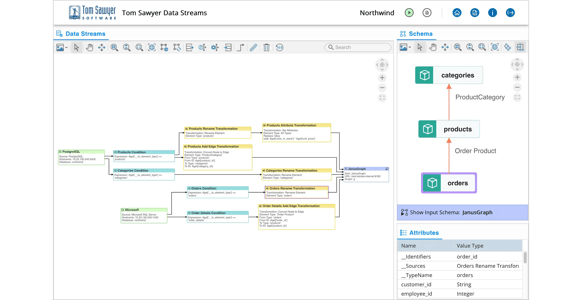
Tom Sawyer Data Streams integrates, transforms, and processes data from multiple sources to create connected data foundations for AI systems.
Organizations can use Data Streams to move heterogeneous enterprise data into graph-based environments while preserving the relationships and context AI applications need.
Tom Sawyer Perspectives
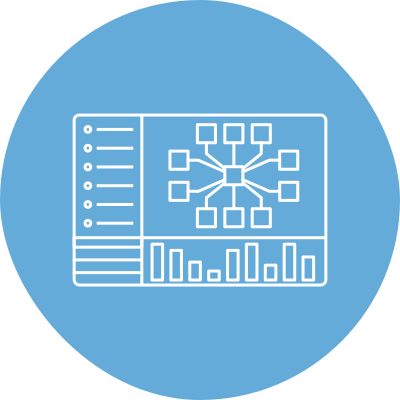
Tom Sawyer Perspectives provides data federation, graph visualization, analysis, and application development capabilities for building custom AI-enabled solutions.
Developers can create applications that combine enterprise data, graph analysis, AI services, and interactive visualization while maintaining connections to existing systems and data sources.
Tom Sawyer Explorations
Tom Sawyer Explorations gives analysts and other end users an interactive environment for investigating connected data and AI-generated results.
Users can explore relationships, patterns, dependencies, and context visually without having to know query languages, helping them move beyond generated answers to understand the information behind the results.
Graph technology for more effective artificial intelligence
Graph technology can support a wide range of AI architectures and use cases.
Graph RAG
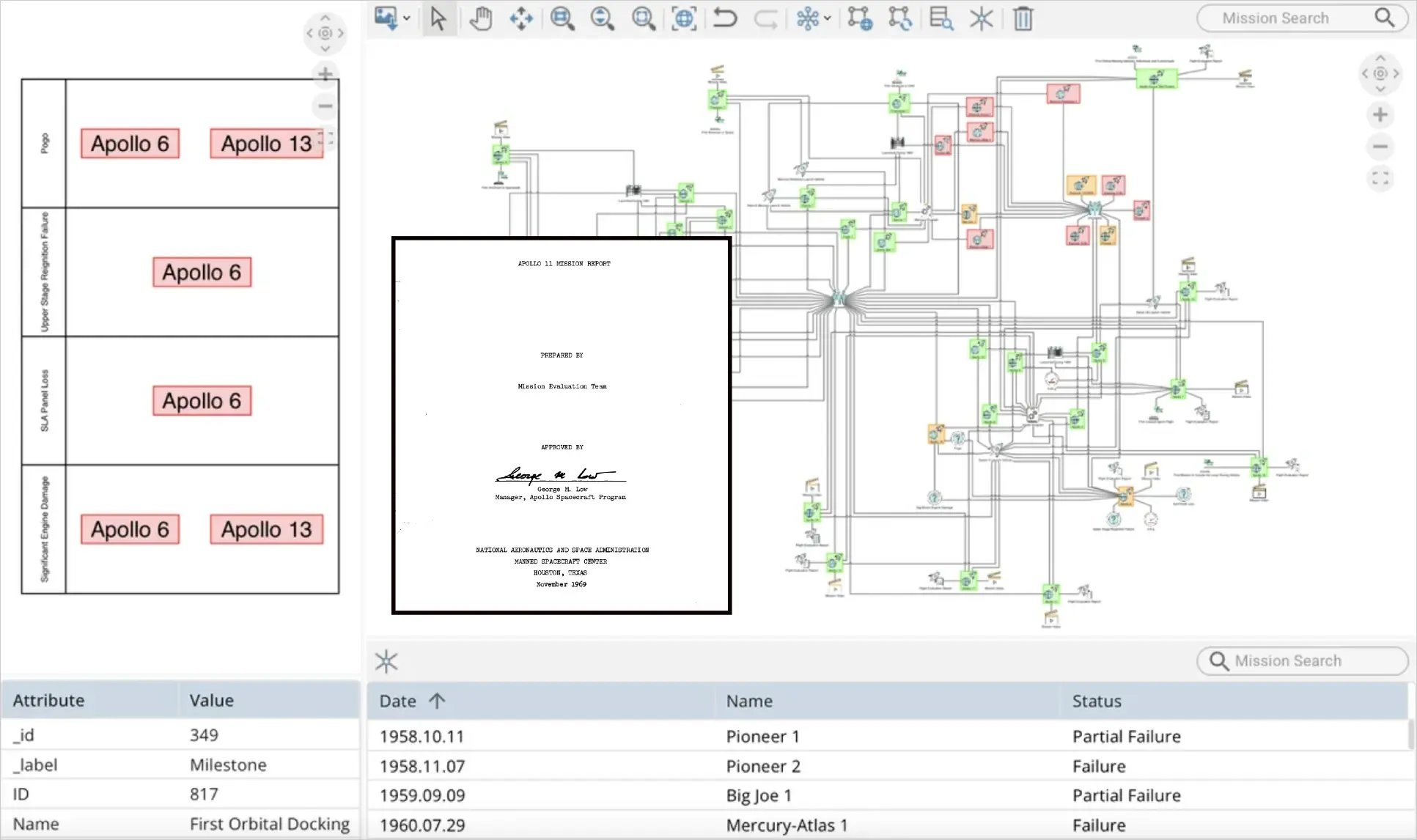
Graph retrieval-augmented generation combines retrieval with graph relationships to give AI access to richer connected context.
In addition to finding relevant information, graph-based retrieval can traverse related entities and multi-hop relationships. This helps AI answer questions that depend on how information is connected and makes the supporting context easier to trace.
Generative AI and LLM grounding
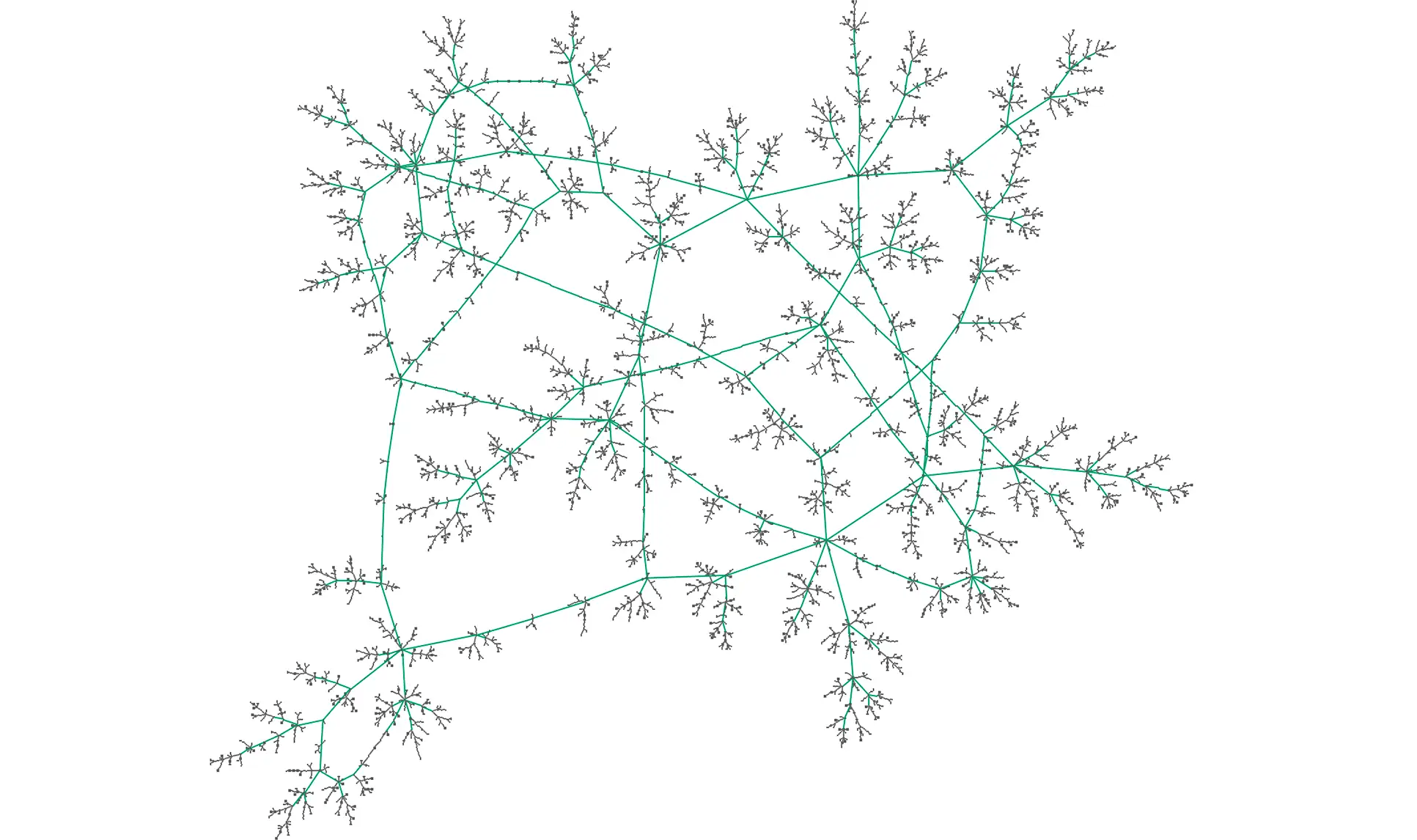
Knowledge graphs can provide trusted enterprise information and connected context as input to generative AI and large language models.
Grounding AI with relevant graph data can improve the accuracy and relevance of results while reducing reliance on information contained only within the model.
Graphs can also help organizations compare generated results against known relationships and data.
Agentic AI orchestration
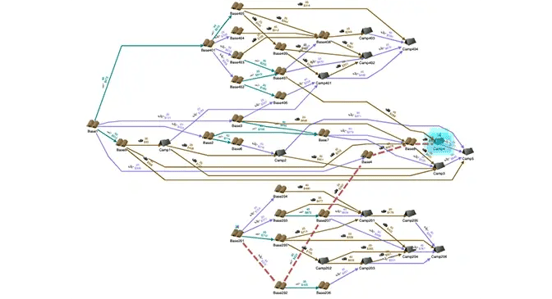
Agentic AI systems may contain many interconnected agents, tools, models, data sources, tasks, and decision points.
A graph model can represent these components and their relationships, giving teams a clearer view of how agents collaborate, where information is passed, and which components influence a result.
Graph visualization and analysis can also help identify duplicated functions, inefficient workflows, and unexpected dependencies.
AI data engineering
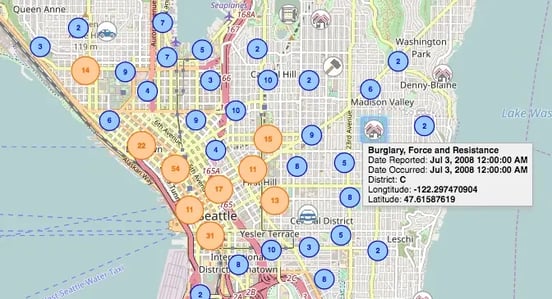
AI systems often rely on information from many different sources and produce data in formats such as JSON, RDF, and other structured or semi-structured representations.
Graph technology can federate, integrate, and analyze heterogeneous information while maintaining relationships across sources. This helps reduce data siloing and gives engineers and analysts a connected view of information used throughout AI workflows.
AI pipelines
Graphs can provide structure and context throughout AI data pipelines.
Organizations can connect source data, transformations, models, agents, intermediate outputs, and final results so that relationships are maintained throughout processing. This creates greater visibility into how data and results move through the AI system.
Preserve AI context and history
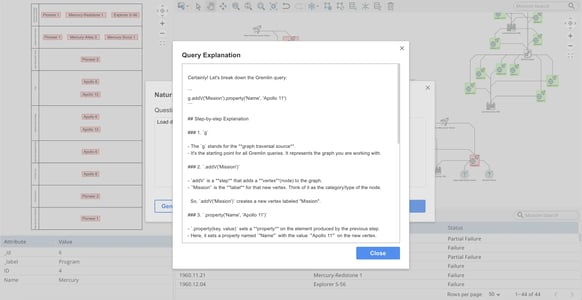
Graphs can persist relationships between prior interactions, decisions, entities, results, and other relevant context.
AI agents can retrieve this connected history during future interactions, helping preserve continuity and make previously established information available when appropriate.
Composite AI systems
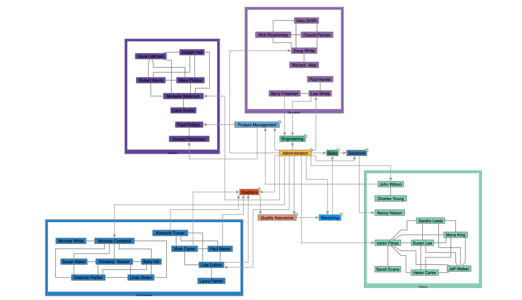
Enterprise AI solutions can include LLMs, agentic systems, machine learning models, neural networks, analytics, business applications, and traditional data systems.
Graphs provide a natural model for representing these highly interconnected components and their dependencies. Graph visualization and analysis can help organizations design, understand, and manage increasingly complex AI architectures.